Marinara Madness: What Italians Say Sets It Apart from Pasta Sauce
If you’ve ever stood in the grocery aisle staring at jars and wondering what is the difference between marinara and pasta sauce, you’re not alone. In Italian cooking, those two terms aren’t interchangeable. According to tradition (and plenty of nonnas), the differences come down to history, ingredients, and cooking method.
So, What Exactly is Marinara?
Ask an Italian chef, and they’ll tell you marinara is:
- Simple and bright
- Made with tomatoes, garlic, olive oil, and herbs
- Quick-cooked, not simmered all afternoon
- A sauce that’s meant to taste like tomatoes, not layers of added ingredients
Marinara originated in southern Italy, likely named for sailors (marinai) who wanted something fast, fresh, and flavorful that traveled well. With so few ingredients, quality matters. That’s why Italian chefs lean into clean, premium ingredients and slow cooking that preserves flavor without muddying it, a tradition we carry on with Victoria’s line of marinaras.
How Pasta Sauce Differs (According to Italians)
Here’s where things branch out. In Italy, “pasta sauce” isn’t just one thing, it’s a category. Think:
- Long-simmered sauces
- Often thicker and richer
- May include meat, vegetables, wine, or cream
- More complex seasoning
So when people ask what is the difference between marinara and pasta sauce, the short version is:
- Marinara is light, simple, and fast.
- Pasta sauce (like bolognese, or tomato-basil sauces) is heartier and slow-cooked for depth.
Victoria’s Tomato Basil Sauce, for example, is simmered longer to achieve a rich, velvety texture, which not something marinara is meant to do.
Why Italians Get So Passionate About It
Many Italians think of food as more than just sustenance. It’s an identity.
Marinara is supposed to taste like summer in a bowl: clean, fresh, and uncluttered. Adding meat to marinara? Unthinkable. Cooking it for hours? You’ll get looks.
That’s why brands rooted in Italian tradition stay true to the basics, like Victoria’s commitment to:
- Non-GMO ingredients
- 100% Italian tomatoes in select sauces
- No water as filler
- Slow kettle cooking for better flavor concentration
Just like in Italy, food shouldn’t be about cutting corners, but rather about honoring each dish.
When to Use Each Sauce
Use marinara when you want:
- A lighter dish
- A bright tomato flavor
- Quick cooking time
- Something that lets the pasta shine
Use a richer pasta sauce when you want:
- A baked pasta structure (like lasagna)
- Meaty depth
- Creamy or hearty textures
- A slow Sunday dinner vibe
Think of marinara as the elegant minimalist and pasta sauce as the cozy storyteller.
Marinara Recipes Worth Trying
Ready to taste the difference for yourself? Here are marinara-based recipes inspired by Victoria’s recipe collection:
🍅Easy Weeknight Spicy Marinara Shrimp with Bread
Juicy shrimp quickly sautéed with onion, garlic, white wine, and Victoria Spicy Marinara, served with crusty bread and lemon wedges for a zesty, no-fuss dinner.
🍅Best Vegan Stuffed Shells with Victoria Marinara Sauce
Jumbo pasta shells filled with a creamy cashew‑tofu and spinach mixture, baked under a blanket of Victoria Marinara for a satisfying, plant‑based comfort meal.
🍅Baked Feta in Spicy Marinara
A tangy, slightly spicy take on the viral baked‑feta trend: feta roasted in Victoria’s Spicy Marinara; perfect with bread or pasta.
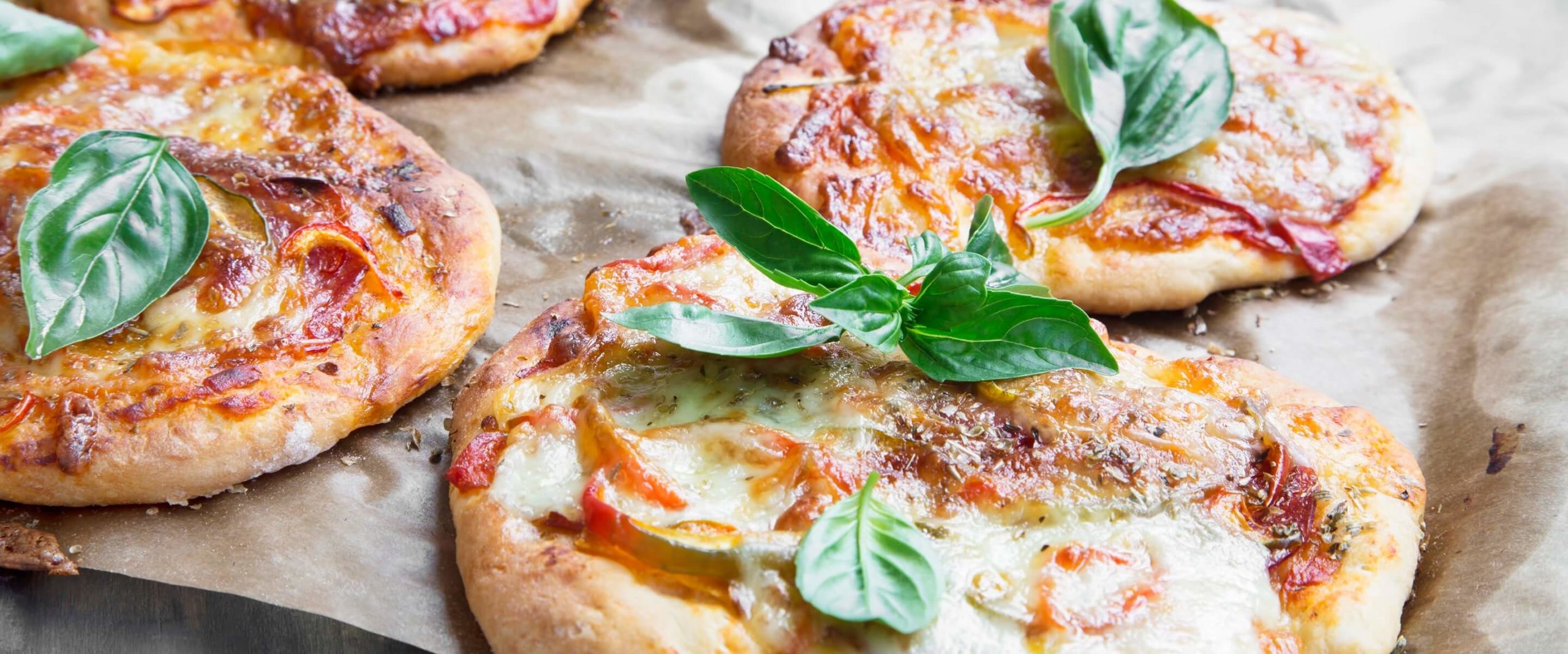
🍅Mini Whole Wheat Margherita Pita Pizzas
Light, easy‑to‑make pita pizzas topped with Victoria Marinara, fresh mozzarella, and basil. This is a quick way to enjoy classic flavors without a full pizza crust.
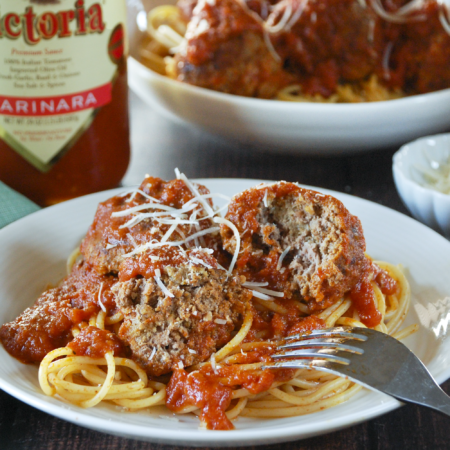
🍅Stuffed Chicken Parmesan Meatballs
Ground chicken meatballs stuffed with mozzarella and baked, then simmered in Victoria Marinara—a fun, comforting twist on classic chicken Parmesan.
So, what is the difference between marinara and pasta sauce?
It comes down to:
- Ingredients (simple vs. layered)
- Cooking time (quick vs. slow-simmered)
- Flavor profile (bright vs. rich)
- Italian tradition (strict, for good reason!)
If you want authenticity, start with real ingredients and old-world methods. Victoria’s been doing it that way for nearly a century, and once you taste the difference, you’ll understand why Italians never confuse the two.